
The City of Fayetteville is expanding its residential food waste collection program this spring after a successful pilot diverted more than 53,000 pounds of food scraps from the landfill in 2025.
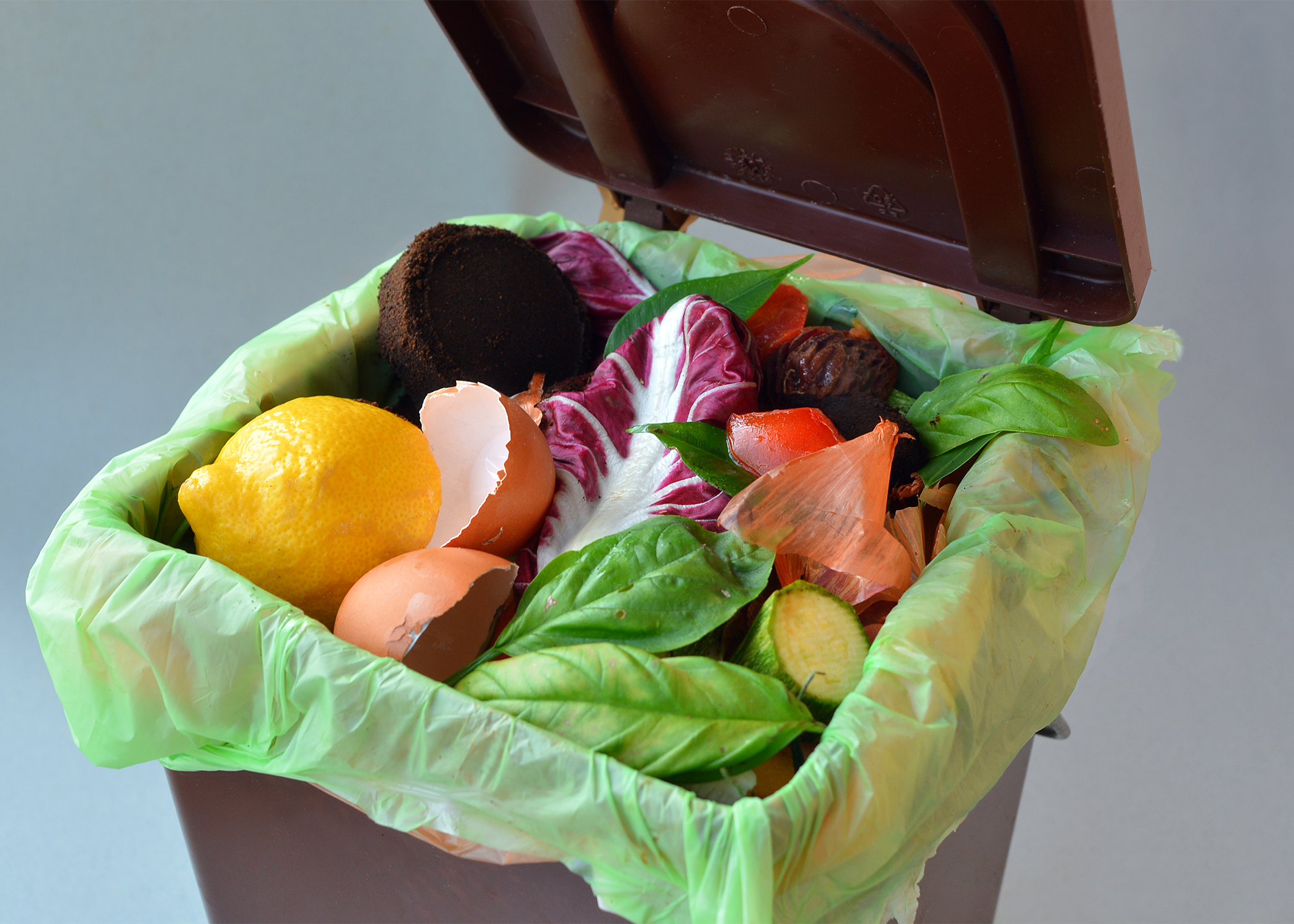
Beginning in March, the city will offer residential food waste collection as an optional utility service through its Recycling and Trash Collection program. About 700 spots are available in the initial rollout.
The service will cost $15.90 per month and appear as a fee on participants’ utility bills. Food waste will be collected every two weeks, and households will receive a five-gallon bucket that is exchanged for a clean one at each pickup. Single-family and multifamily residences with a city utility account are eligible.
Nearly 700 households participated in the pilot program last year, providing city officials with data on participation, diversion rates and operational logistics. City staff said the results demonstrated both resident demand and the feasibility of scaling the service.
“This program is an example of the good work that happens when we listen to residents, test ideas and then scale what works,” Mayor Molly Rawn said in a statement. “Food waste makes up a significant portion of what we send to the landfill, so expanding this service helps us reduce waste in a practical way while advancing Fayetteville’s long-term sustainability goals.”
Food waste is one of the largest components of residential trash and a significant contributor to landfill volume and methane emissions. Diverting organic material through composting can help extend landfill life while producing compost that can be reused locally.
Fayetteville’s expansion also reflects a broader national trend among peer regions that Northwest Arkansas is benchmarked against. Cities such as Austin, Texas, which operates a citywide curbside organics collection program, and Madison, Wisconsin, which combines residential composting pilots with food scrap drop-off sites, have incorporated food waste diversion into standard waste services. In the Raleigh–Durham region in North Carolina Durham is continuing a multi-phase food waste diversion pilot, expanding curbside participation and adding public drop-off locations as part of an ongoing evaluation process.
In Northwest Arkansas, a similar emphasis on strengthening residential waste services has been outlined through regional planning efforts. The Northwest Arkansas Recycling Roadmap, published by The Recycling Partnership in mid-2025, identifies expanded residential services as a strategy for reducing landfill pressure as the region continues to grow. The City of Fayetteville’s expansion of composting services aligns with broader regional goals.
Residents who participated in the original compositing pilot and continued service afterward through Ozark Compost & Swap will be automatically enrolled in the new city program. Pilot participants who discontinued service after the initial free period will need to re-register to participate.
Sign-ups are now open. Residents can view accepted materials and enroll at https://www.fayetteville-ar.gov/4418/Residential-Food-Waste-Collection-Program.
For more information, residents can contact the City of Fayetteville Recycling and Trash Collection Division at recyclingandtrash@fayetteville-ar.gov or 479-575-8398.